Remodeling Mastery: Seamlessly Integrating Home Additions With Your Existing Design
Renovating a home requires a careful balance of aesthetics and functionality. When integrating additions, one must consider the existing design to secure harmony. Evaluating the current layout is crucial. It establishes the foundation for a cohesive transformation. Picking the right style and materials can elevate the overall appeal. However, achieving structural integrity while maintaining flow creates its own challenges. What strategies can homeowners employ to navigate these complexities effectively?
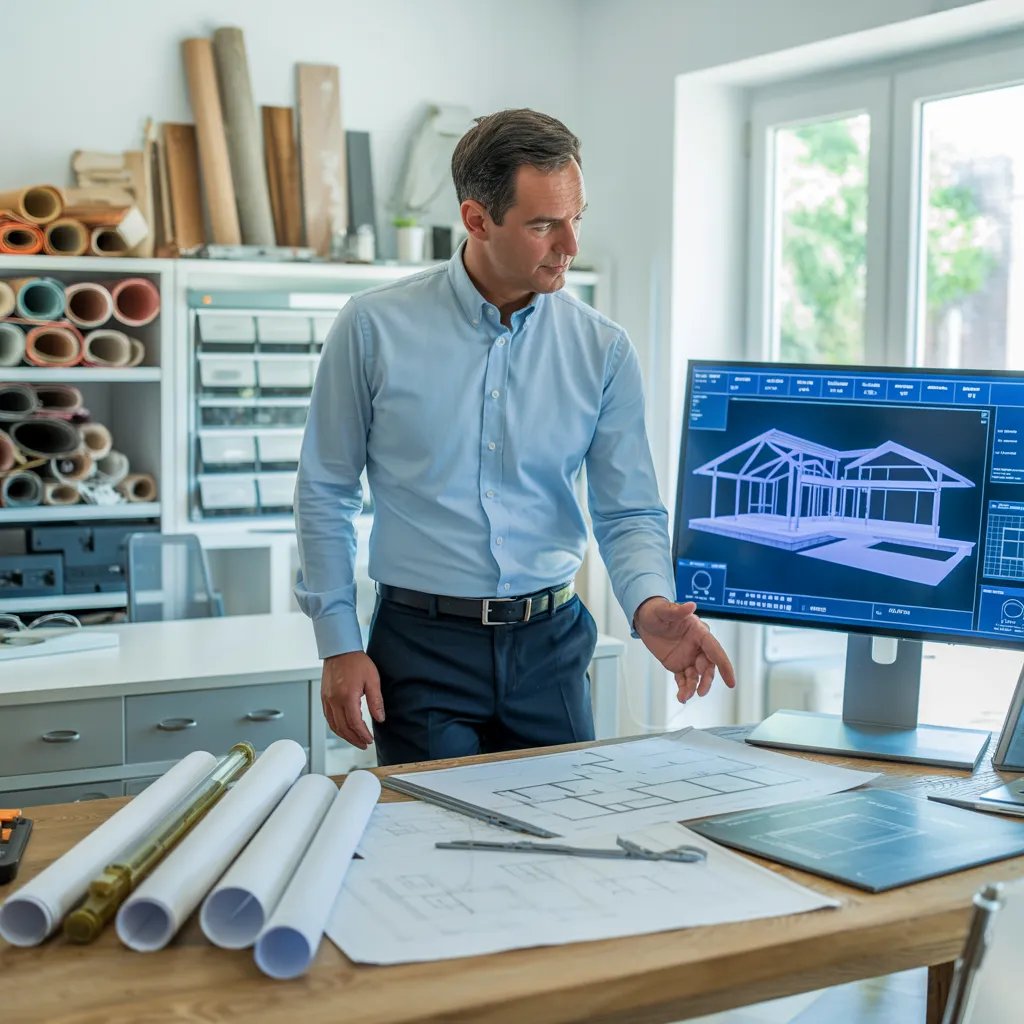
Evaluating Your Existing Design and Space
How does one properly assess their current home layout? To begin, someone should undertake a comprehensive walkthrough of their home, documenting the functionality of each space. Examining how rooms are occupied daily can highlight inefficiencies or constraints that may require a redesign. Furthermore, measuring existing dimensions is vital for understanding spatial limitations. This data will aid in visualizing potential changes or additions.
Subsequently, examining the flow between spaces is essential. A well-designed layout encourages easy navigation and accessibility. Pinpointing bottlenecks or awkward shifts can direct future modifications. Additionally, accounting for natural light and ventilation can enhance the overall atmosphere of the home.
Finally, collecting feedback from family members can deliver diverse perspectives on the current layout's strengths and weaknesses. By carefully assessing these aspects, someone can create a firm foundation for any future home addition ideas.
Choosing the Right Style for Your Home Addition
Upon thoroughly examining the existing design and available space, the next step entails selecting the appropriate style for the home addition. This decision is vital, as it will impact not only the aesthetics but also the overall harmony of the home. Homeowners should think about the architectural style of the existing structure—whether it is modern, traditional, or eclectic—and strive for an addition that complements these elements.
Using matching materials, colors, and design elements can establish a harmonious connection between the original and added spaces. Additionally, it is important to evaluate the role of the addition; whether it serves as a common area, office, or guest suite, the style should align with its purpose. Researching local architectural trends can also offer inspiration while ensuring the addition remains fitting within the neighborhood context. Finally, the right style improves both the functionality and visual appeal of the home, forming a cohesive living environment.
Guaranteeing Structural Integrity and Integration
Ensuring structural stability and cohesion in a home addition is critical for the safety and longevity of the entire building. This process commences with a thorough assessment of the existing structure to pinpoint load-bearing walls and likely stress points. Consulting a qualified structural engineer is important, as they can provide insights into the necessary reinforcements needed for the new addition.
The transition between the addition and the current structure must remain seamless, demanding thorough alignment of foundations, framing, and roofing. In addition, utilizing proper construction practices will enhance the stability of the new and existing components alike.
Attention to detail during this stage decreases future concerns, such as shifting or settling, which can undermine the addition's durability. In the end, a properly planned approach to structural integrity not only preserves the property but also promotes a smooth integration of the new space within the overall design.
Choosing Materials That Complement Your Home's Aesthetic
A harmonious home addition elevates the complete aesthetic appeal of a property while retaining its original charm. Picking materials that complement the existing structure is crucial for achieving this balance. Homeowners should consider color schemes, textures, and finishes that mirror the original design elements. For instance, if the main house features natural wood siding, choosing similar materials in the addition can create a harmonious look.
The architectural aesthetic serves a vital function; a contemporary extension might conflict with a classic refer to resource residence without proper planning. As you integrate fresh materials, prioritizing becomes vital for long-lasting quality, ensuring they withstand the test of time. Moreover, collaborating with professional designers will supply beneficial guidance concerning ideal material decisions that complement the property's style. Finally, deliberate material selection serves to enhance both the beauty but also reinforces the relationship between the old and new, creating a seamless transformation throughout the property.
Incorporating Functional Design Components
Although aesthetics matter greatly, adding functional design elements into home additions is equally essential for elevating everyday living. A strategically conceived addition not only enhances the existing structure but also serves utilitarian goals. For example, including built-in storage solutions can enhance space efficiency, limiting clutter and enhancing organization. Furthermore, planning for natural light through strategically placed windows can improve mood and energy levels, establishing a brighter environment.
In addition, open floor plans can increase flow, making spaces feel larger and more inviting, while also facilitating social interaction. Energy-efficient appliances and smart home technology can contribute to sustainability and convenience, providing long-term cost savings.
Finally, harmonizing beauty with functionality ensures that home additions not only seem appealing but also enrich the daily experiences of the homeowners, creating a cohesive living environment that meets both aesthetic and practical needs.
Popular Questions
What Permits Are Required for Home Additions?
Home expansion projects typically demand building permits, zoning approvals, and potentially environmental assessments. Regional requirements may also specify inspections throughout the process, maintaining compliance with safety codes and neighborhood regulations before construction can start.
How Do I Create a Budget for a Home Addition Project?
To plan a budget for a home addition project, homeowners should estimate costs for materials, labor, permits, and unexpected expenses. Establishing a contingency fund and comparing quotes from home improvement contractors also supports effective financial planning.
What Are the Optimal Times of Year for Remodeling?
Spring and early autumn are frequently regarded as the ideal periods for remodeling projects. Pleasant temperatures enable exterior work, while bypassing the hottest summer days or coldest winter months can bring about more efficient timelines and reduced costs.
How Can I Find a Trustworthy Contractor for My Home Addition?
To find a reliable contractor for an addition, you should obtain recommendations, review online reviews, validate credentials, request bids, and conduct interviews. Trustworthiness and communication are essential factors to evaluate during the selection process.
What Effect Will an Addition Have on My Property's Resale Value?
A home addition can substantially boost a home's resale value, specifically if it corresponds to neighborhood trends. Homebuyers often desire extra space, so thoughtfully executed additions can deliver a solid return, drawing in potential buyers and boosting market appeal.